
Youth is the fire that awakens a nation, fuels courage, and transforms dreams into reality.
The energy, courage, and idealism of young people have always been a driving force in shaping history, and India’s struggle for freedom is no exception. During the late 19th and early 20th centuries, a wave of youth organizations began to emerge across India, filled with students, young professionals, and passionate thinkers determined to fight colonial rule. These groups were not just gatherings of like-minded individuals; they became the heart of revolutionary ideas, social reforms, and political activism.
One of the most significant contributions of these youth organizations was spreading the spirit of nationalism. Young members traveled to towns and villages, giving speeches, writing in newspapers, and holding meetings that encouraged people to think beyond local or personal concerns and focus on the larger idea of a free India. They created awareness about the injustices of British rule, from economic exploitation to restrictions on education and speech, making the concept of freedom tangible for the common people. Their efforts turned passive citizens into active participants in a collective dream of liberation.
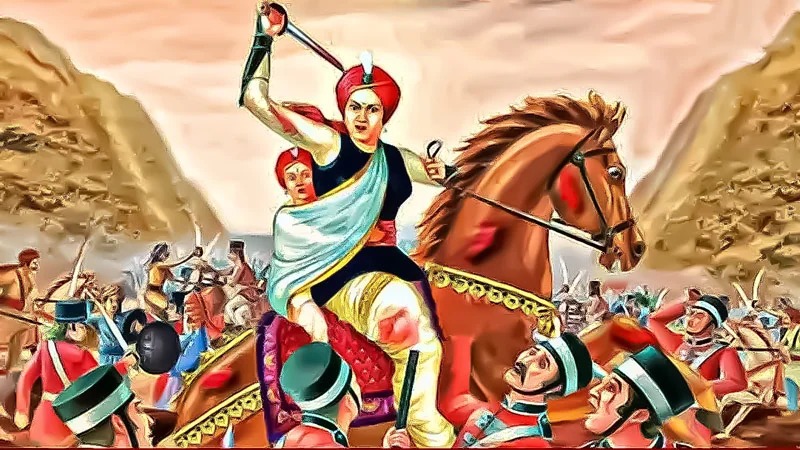
Revolutionary organizations, such as the Anushilan Samiti and Jugantar in Bengal, played a particularly bold role. Founded by visionaries like Aurobindo Ghosh and Barindra Ghosh, these groups trained young men in discipline, strategy, and sometimes armed resistance. They carried out acts that challenged British authority directly, inspiring courage and a sense of responsibility among the youth. Similarly, in Maharashtra, the Mitra Mela and Abhinav Bharat societies, led by figures such as Vinayak Damodar Savarkar, mobilized students and young professionals to organize protests, secret meetings, and campaigns against colonial policies. These groups were not only about politics, they were about awakening a sense of courage and national pride in every young Indian.
Beyond revolutionary activity, youth organizations were deeply involved in social reform, which was inseparable from the fight for freedom. Leaders like Lala Lajpat Rai encouraged young people to work toward education for all, fight social evils such as child marriage and caste discrimination, and promote equality. These organizations often combined cultural revival with activism, holding poetry readings, drama performances, and debates to instill pride in India’s history, language, and traditions. This blending of culture and politics made the movement relatable and inspiring, especially to the younger generation.
Education was another battlefield for young activists. Students formed libraries, study circles, and debate societies, learning about democratic ideals, global revolutions, and the importance of civic engagement. For example, the Indian National Congress’s youth wings encouraged young leaders like Jawaharlal Nehru to gain practical experience in organizing movements, writing articles, and mobilizing communities. These experiences created a pipeline of informed and motivated leaders ready to take on larger responsibilities in the independence struggle.
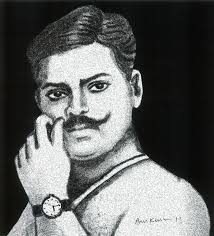
Figures like Bhagat Singh and Chandrashekhar Azad emerged from this culture of youth activism. Bhagat Singh, inspired by organizations like Hindustan Socialist Republican Association (HSRA), became a symbol of fearless youth rebellion. His writings, actions, and willingness to sacrifice his life shook the British establishment and inspired thousands of young Indians to believe in the power of action and ideas combined. Chandrashekhar Azad, who led daring acts against colonial authorities, showed that youth could combine courage, strategy, and resilience in ways that reshaped the national movement.
Many members of youth organizations faced imprisonment, torture, and even death, yet their determination never faltered. Their stories, like Bhagat Singh’s hunger strikes in jail, or Chandrashekhar Azad’s vow to never be captured alive, illustrate that youth activism was not just ideological; it was heroic and selfless, a life-and-death commitment to liberty. Sharing these moments adds emotional depth and a human touch to the history.
The impact of youth organizations on India’s freedom movement was both immediate and long-lasting. They mobilized communities, created awareness, trained future leaders, and instilled a sense of purpose and discipline. By uniting young minds under the banner of nationalism and social justice, they transformed ordinary enthusiasm into a powerful force that challenged an empire. Their courage, creativity, and vision proved that the dream of freedom could be pursued by the fearless, the determined, and the idealistic.
The Role of Women in Youth Movements
The freedom movement in India was not just a struggle against colonial rule, it was also a quiet revolution in society, and women played a remarkable role in this transformation. During the late 19th and early 20th centuries, traditional Indian society largely confined women to domestic roles. Education for girls was limited, and public participation was often discouraged. Yet, youth organizations and the nationalist movement provided a space for young women to step out of these restrictions and actively contribute to shaping the nation’s destiny.
Pioneering leaders like Sarojini Naidu, popularly known as the “Nightingale of India,” became the face of female activism. She was a poet, scholar, and organizer who traveled extensively, delivering speeches that inspired both men and women. Naidu encouraged young women to take part in rallies, demonstrations, and public debates, an unusual and bold move for the time. Her involvement showed that women could lead, inspire, and mobilize entire communities.
Similarly, Kasturba Gandhi, though initially known for her support of her husband Mahatma Gandhi, became a powerful symbol of women’s participation in civil disobedience movements. She actively encouraged young women to join protests, volunteer in relief work, and participate in campaigns for education and sanitation. Her work emphasized that activism was not just about confrontation with colonial authorities, it was also about building self-reliance, confidence, and leadership among women.
Another inspiring figure was Aruna Asaf Ali, a young woman who later became famous for hoisting the Indian National Congress flag during the Quit India Movement in 1942. Long before that, she was actively involved in youth-led initiatives, helping organize student groups, literacy drives, and community awareness campaigns. Her courage and vision demonstrated that young women could take bold action, even under the threat of arrest or violence.
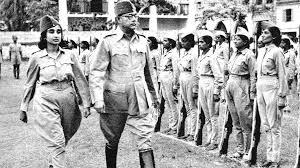
Women in youth organizations were not limited to leadership roles, they also participated in street protests, picketing foreign goods, and underground revolutionary work in certain regions. Many girls and young women secretly distributed pamphlets, helped maintain communication between activists, and even acted as messengers for revolutionary societies. Their courage challenged societal norms and inspired other young women to break out of the confines of tradition.
Education and cultural awareness became important tools for female youth activists. They formed women’s study circles, debate clubs, and reading groups where they discussed nationalist ideas, social reform, and equality. By combining education with activism, they not only contributed to the freedom movement but also laid the groundwork for gender equality in independent India.
Youth is the fire that awakens a nation, the courage that defies injustice, and the vision that turns dreams into freedom. When young hearts unite with purpose, ordinary people become heroes, and movements become history. Their energy, sacrifice, and passion prove that the future belongs to those who dare to act and believe in a brighter, freer world.