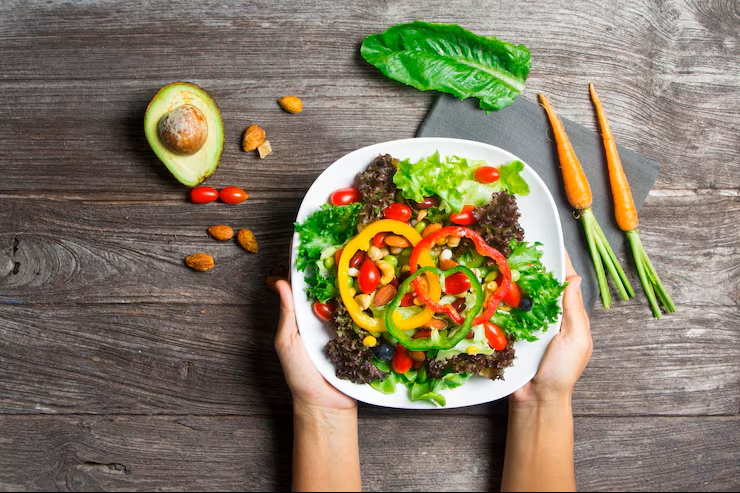

Nourish your body with nature’s best, and your mind will find its rest.
Clean eating is more than a food choice, it is a mindful approach to building a healthier and more balanced lifestyle. It focuses on consuming natural, minimally processed foods that nourish the body from the inside out. Fresh fruits, vegetables, whole grains, lean proteins, and healthy fats form the foundation of clean eating habits. In today’s fast-paced world, where packaged and processed foods dominate daily meals, clean eating brings simplicity and awareness back to our plates. It helps reduce unnecessary additives, excess sugar, and unhealthy fats while supporting better digestion, steady energy levels, and overall wellness in a sustainable and practical manner.
When clean eating becomes a daily habit, it quietly transforms both physical health and mental clarity. The body responds with improved metabolism, stronger immunity, and balanced weight management, while the mind benefits from better focus and reduced stress. Clean eating also promotes self-discipline and conscious living, making people more aware of what they consume and its impact on their lifestyle. Rather than following strict rules or short-term diets, clean eating supports long-term well-being through consistent, thoughtful choices. By prioritizing real food over convenience, individuals create a healthier routine that supports energy, confidence, and a better quality of life every day.
What Clean Eating Really Means in Daily Life
Clean eating, in daily life, is not about perfection or strict food rules. It is about making thoughtful food choices that support the body naturally. Clean eating means choosing foods that are as close to their original form as possible, fresh, simple, and minimally processed. Instead of counting calories or following trends, it focuses on establishing a routine where food works in harmony with the body, rather than against it. This approach creates consistency, balance, and long-term health rather than quick results.
A major part of clean eating is eating home-cooked meals whenever possible. Cooking at home allows complete control over ingredients, cooking methods, and portion sizes. It reduces dependence on excess oil, sugar, preservatives, and artificial flavors commonly found in outside food. Over time, home cooking builds awareness of what the body actually needs and encourages mindful eating habits that support digestion and energy.
Clean eating in daily life also means listening to your body. Eating when hungry, stopping when full, and choosing quality over quantity becomes a natural rhythm. It is a lifestyle shift that blends nourishment with discipline, making healthy living sustainable rather than overwhelming.
Measures to follow:
- Cook meals at home most days of the week
- Use simple ingredients with minimal processing
- Control portion sizes instead of overeating
- Avoid unnecessary sauces and additives
- Eat slowly and mindfully
Role of Fruits and Vegetables in Clean Eating and Avoiding Junk and Packaged Food
Fruits and vegetables are the backbone of clean eating. They are rich in vitamins, minerals, fiber, and antioxidants that help the body function efficiently. Including a variety of colorful fruits and vegetables in daily meals supports digestion, improves skin health, and strengthens immunity. Their natural fiber content also helps keep the stomach full, reducing unhealthy cravings.
Reducing packaged and junk food is equally important. These foods often contain excess sugar, salt, unhealthy fats, and chemical preservatives that disrupt the body’s natural balance. While they may offer convenience, regular consumption leads to fatigue, poor digestion, and long-term health issues. Clean eating encourages replacing packaged snacks with natural options like fruits, nuts, or homemade foods.
Reading food labels is a smart, clean-eating habit. It builds awareness of hidden additives, artificial sweeteners, and preservatives that may not be obvious. Understanding labels empowers better decisions, turning grocery shopping into a conscious, health-focused activity rather than an automatic habit.
Measures to follow:
- Add at least one fruit or vegetable to every meal to increase nutrient intake and improve overall meal quality
- Choose seasonal and locally available produce, as it is fresher, more nutritious, and easier for the body to digest
- Replace packaged snacks with fresh options like fruits, nuts, roasted seeds, or homemade snacks
- Read ingredient lists carefully instead of relying on brand claims or packaging labels
- Avoid foods with long, unrecognizable ingredient names, artificial colors, or added preservatives
- Prefer simple, minimally processed foods with fewer ingredients
- Plan grocery shopping to make healthier choices more consistently
Drinking Enough Water Is an Essential Part of Eating Clean
Hydration is often overlooked, but it is a silent pillar of clean eating. Water helps flush out toxins, supports digestion, improves nutrient absorption, and maintains energy levels. Many times, fatigue or hunger is simply a sign of dehydration. Drinking enough water keeps the body balanced and supports every clean-eating effort from within.
Measures to follow:
- Drink water consistently throughout the day instead of consuming large amounts at once, as this supports better hydration and digestion
- Start the day with a glass of water to activate metabolism and rehydrate the body after sleep
- Reduce sugary drinks and soft drinks that add empty calories and disrupt energy balance
- Choose plain water over flavored or artificially sweetened beverages to avoid unnecessary additives
- Carry a water bottle to maintain regular water intake
- Increase water consumption during physical activity or hot weather
Clean Eating Improves Mental Clarity, Focus, Mood Stability, and Energy Levels
Clean eating directly impacts brain health and emotional balance. When the body receives clean, nutrient-rich food, the mind responds with better focus, clarity, and calmness. Stable blood sugar levels prevent mood swings, anxiety, and mental fatigue. This creates a steady mental state that supports productivity and emotional well-being. Unlike processed foods that cause sudden energy spikes and crashes, clean foods provide sustained energy throughout the day. This consistent fuel improves concentration, reduces afternoon tiredness, and supports a more active lifestyle. Clean eating becomes a quiet performance enhancer for both mind and body.
Unlike processed foods that cause sudden energy spikes and crashes, clean foods provide sustained energy throughout the day. This steady fuel improves concentration, reduces afternoon tiredness, and supports a more active, balanced lifestyle.
Measures to follow:
- Eat balanced meals that include protein, fiber, and healthy fats to support stable energy levels and long-lasting fullness
- Avoid excess sugar and refined carbohydrates, as they cause energy crashes and disrupt blood sugar balance
- Do not skip meals, since regular eating helps maintain focus, metabolism, and emotional stability
- Choose natural, whole foods that provide steady energy and support consistent mental and physical performance
How Clean Eating Supports Weight Balance, Metabolism, Digestion, and Immunity
Clean eating helps the body maintain a healthy weight naturally, without relying on extreme dieting or restrictive plans. When meals are built around whole, unprocessed foods, the body receives balanced nutrition that supports natural hunger cues and portion control. This approach reduces unnecessary calorie intake while keeping the body satisfied, making weight balance more sustainable over time rather than short-lived.
Whole foods also play a key role in improving metabolism and energy usage. Natural ingredients allow the body to process food efficiently, helping it convert nutrients into steady energy instead of storing excess fat. High-fiber foods support digestion by improving gut movement, reducing bloating, and maintaining a healthy digestive rhythm that supports daily comfort and overall wellness.
A strong digestive system leads to better nutrient absorption and a more responsive immune system. Clean foods help reduce internal inflammation and strengthen the body’s natural defense mechanisms. Over time, this creates a resilient internal environment where health is supported proactively, allowing the body to function smoothly and recover faster from everyday stress and common illnesses.
Measures to follow:
- Include a variety of fiber-rich foods daily, such as fruits, vegetables, whole grains, legumes, and seeds, to support digestion and gut health
- Avoid overeating by listening to hunger and fullness cues, and limit late-night meals that can disrupt digestion and metabolism
- Eat meals at regular times each day to maintain stable blood sugar levels and support a healthy metabolic rhythm
- Focus on consistency in food choices and eating habits rather than quick fixes or extreme diets, as long-term balance delivers lasting results
- Choose balanced meals that combine fiber, protein, and healthy fats for better satiety and energy control
Adopting clean eating habits is a powerful investment in a better lifestyle, both physically and mentally. When food is clean, the body performs with greater efficiency, and the mind follows with improved focus and stability. By choosing quality over convenience, you create a lifestyle ecosystem where nourishment, balance, and long-term well-being move forward together with quiet confidence and measurable impact.