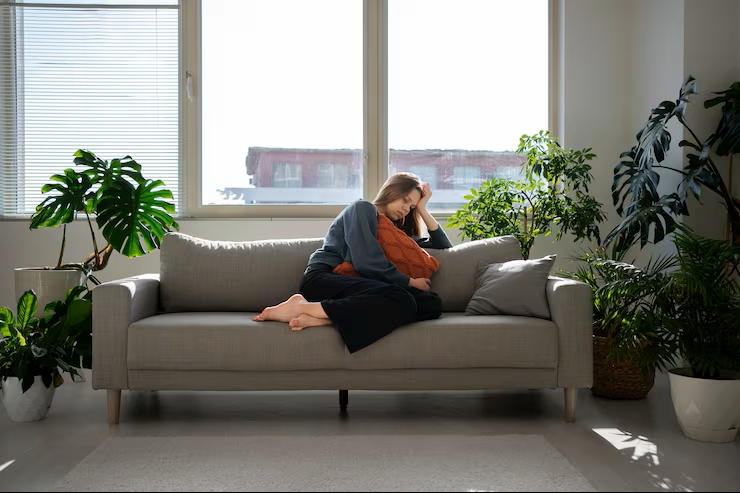

Your living space is more than a physical shelter, it is a silent partner in your mental well-being. Every wall, window, color, and corner sends subtle signals to your mind, shaping how you feel, think, and recharge each day. A cluttered room can quietly increase stress, while a calm, organized space can promote focus, balance, and emotional clarity. In today’s fast-paced lifestyle, where work and rest often blend under one roof, the impact of your home environment on mental health has never been more relevant. From natural light and airflow to furniture placement and personal touches, small design choices can create meaningful psychological outcomes.
This article explores how your living space affects your mental health, offering insight into why your surroundings matter and how intentional spaces can support a healthier, more resilient state of mind.
How Your Living Space Shapes Your Mind and Stress Levels
Your living space plays a quiet but powerful role in shaping your mental state each day. When your home is calm and well arranged, your mind finds it easier to relax and stay focused. In contrast, crowded or disorganized spaces create constant visual pressure, which can slowly raise stress levels. The brain is forced to process too much at once, making it harder to think clearly or feel at ease.
Over time, this mental overload can lead to anxiety, irritation, and ongoing tiredness. A balanced living space, with enough order and openness, gives the mind a sense of control and emotional safety. It allows thoughts to slow down, improves concentration, and supports better emotional balance. In many ways, your home becomes the emotional background that shapes how you feel throughout the day.
Natural Light, Fresh Air, and Colors That Affect Your Mood
Natural light and fresh air are essential elements that directly support mental well-being. Sunlight helps the body maintain a healthy sleep–wake cycle, which improves focus, emotional balance, and daily energy levels. Homes that receive enough natural light often feel more alive and mentally refreshing. In contrast, dark rooms and poor ventilation can make the mind feel slow, tired, and emotionally drained, even without a clear reason.
Fresh air also plays a critical role in how the brain functions. Proper ventilation improves oxygen flow, helping the mind stay alert and calm. Stuffy or closed spaces can increase feelings of discomfort, irritation, and mental fatigue. Opening windows regularly or allowing natural airflow creates a sense of openness and reduces emotional pressure. A breathable living space helps the mind reset and feel lighter throughout the day.
Colors within a living space quietly shape emotional responses. Soft, natural colors such as beige, green, or light blue encourage calmness and mental stability. Bright or intense colors can boost energy, but when overused, they may cause restlessness or stress. A thoughtful balance of colors supports emotional comfort and visual harmony. When natural light, fresh air, and balanced colors work together, the home becomes a supportive environment for mental clarity and positive mood.
Key points at a glance:
- Natural light supports better sleep, mood, and energy
- Fresh air improves focus and reduces mental fatigue
- Soft colors promote calmness and emotional balance
The Role of Noise and Silence in Mental Clarity
Sound deeply influences how the mind processes thoughts and emotions. Constant exposure to noise from traffic, television, mobile devices, or nearby activity keeps the brain in an alert state. This ongoing stimulation increases stress levels, reduces focus, and slowly drains mental energy. When noise becomes part of daily living, the mind struggles to rest, leading to irritation, poor concentration, and emotional fatigue.
Silence or controlled sound, on the other hand, allows the brain to relax and reset. A quieter environment helps thoughts slow down and emotions stabilize naturally. Even gentle background sounds, such as soft music or natural tones, can create a calming effect when used intentionally. Simple changes in sound management can transform a living space into a mentally supportive environment that encourages clarity and peace.
Key points:
- Constant noise keeps the brain overstimulated and increases daily stress
- Quiet spaces allow better focus and emotional stability
- Controlled sounds create a calm and mentally supportive environment
- Reduced noise improves sleep quality and mental recovery
- Balanced sound levels help the mind feel grounded and at ease
Cleanliness and Hygiene as a Source of Mental Calm
Cleanliness directly influences how the mind responds to its surroundings. When a living space is clean and well maintained, the brain receives clear visual signals that promote order and control. This sense of order reduces mental tension and helps the mind feel safe and settled. In contrast, dirt, clutter, and neglected spaces create constant visual stress, making it harder to relax or think clearly.
Poor hygiene and untidy environments often trigger feelings of discomfort and restlessness. The mind remains alert, sensing something is wrong or unfinished. Over time, this can increase anxiety and lower emotional stability. Clean spaces remove these hidden stress triggers, allowing the brain to focus on more positive and meaningful tasks without constant distraction.
Regular cleaning routines also build a sense of consistency and self-discipline, which supports emotional confidence. Maintaining hygiene is not only about physical health, it reinforces mental clarity and inner calm. When your surroundings are clean, the mind feels lighter, more grounded, and emotionally balanced, creating a peaceful foundation for daily life.
Small Home Changes That Improve Mental Well-Being
Improving mental health at home does not require major changes. Small adjustments can create a meaningful impact. Decluttering unused items, rearranging furniture for better movement, adding plants, or improving lighting can instantly refresh your space. These simple changes help the mind feel lighter and more focused. When your living space feels intentional and comfortable, it naturally supports emotional health, reduces stress, and encourages a more positive daily mindset.
Key points:
- Declutter regularly to reduce visual stress and mental overload
- Rearrange furniture to improve movement and openness
- Add indoor plants to bring calm and natural balance
- Improve lighting to boost mood and daily energy
- Create dedicated areas for rest, work, and relaxation
- Keep frequently used spaces clean and organized for mental ease