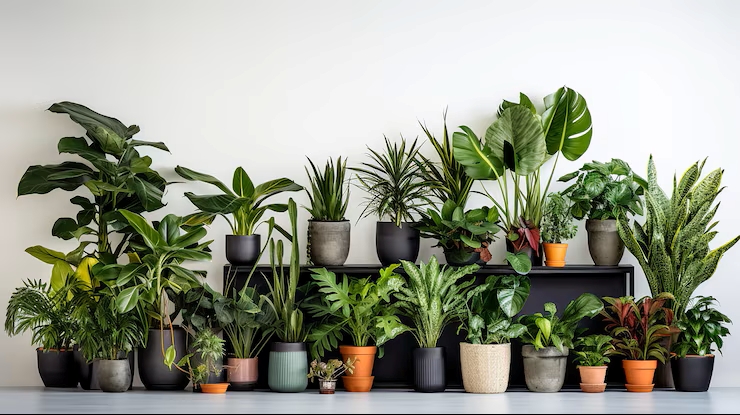

Indoor plants turn silent spaces into breathing homes, where health and calm quietly grow.
Indoor plants are no longer just home décor trends, they are powerful lifestyle enhancers. In a world where most people spend their time indoors, air quality and mental well-being have become silent priorities. Indoor plants naturally bridge this gap by bringing nature inside the home. They refresh the air, soften living spaces, and create a calm environment that supports healthier daily living. From small apartments to work-from-home setups, indoor plants quietly improve how we live, breathe, and feel.
One of the biggest benefits of indoor plants is their ability to improve air quality naturally. Many plants help reduce indoor pollutants and increase oxygen levels, making the air cleaner and fresher. Plants like snake plant, peace lily, and spider plant work continuously, even with minimal care. Better air quality leads to better sleep, fewer headaches, and improved concentration. When the air feels lighter, the body responds positively. This makes indoor plants an easy and natural solution for creating a healthier indoor lifestyle without relying on machines or chemicals.
Beyond physical health, indoor plants strongly influence mental and emotional well-being. Green spaces inside the home reduce stress, improve mood, and create a sense of balance. Caring for plants builds mindfulness and adds a peaceful routine to busy lives. Indoor plants also elevate home aesthetics, making spaces feel warmer and more welcoming. They turn ordinary rooms into living environments. By improving air quality and supporting a calm lifestyle, indoor plants prove that small natural choices can create meaningful, long-term improvements in everyday life.
Why Indoor Air Quality Matters in Modern Homes
Modern homes are designed for comfort, but not always for clean air. With closed windows, air conditioners, artificial lighting, and electronic devices, indoor air often becomes trapped and polluted. Dust, chemicals, and invisible toxins quietly build up, affecting breathing, sleep, and overall energy levels. Since people spend most of their time indoors, working, resting, or relaxing, indoor air quality directly impacts daily lifestyle health.
Poor indoor air quality can lead to headaches, fatigue, allergies, and reduced focus. Over time, it affects productivity and mental clarity. This is where indoor plants enter as natural allies. They work continuously without noise or power, supporting a healthier indoor environment. Improving indoor air is no longer a luxury, it is a lifestyle necessity for modern living.
How Indoor Plants Purify Air and Best Indoor Plants for Air Quality
Indoor plants improve air quality through natural biological processes that work continuously and silently. They absorb carbon dioxide, release fresh oxygen, and help reduce certain airborne pollutants commonly found in indoor spaces. Their leaves capture dust particles, while their roots and surrounding soil support microorganisms that break down harmful elements. Together, this natural system helps create cleaner and healthier indoor air without the need for machines or chemicals.
In addition to filtering air, indoor plants help regulate humidity levels inside the home. By releasing moisture into the air, they reduce dryness caused by air conditioners and heaters. Proper humidity makes breathing more comfortable, prevents dry skin, and supports overall respiratory health. This balance in air moisture also creates a more pleasant living environment, especially in closed or poorly ventilated rooms.
Certain indoor plants are especially effective at improving air quality because they are resilient and well-suited for indoor conditions. These plants adapt easily to low light and limited space while delivering consistent benefits. They work quietly in the background, improving air freshness while enhancing the visual appeal of a room. Choosing the right indoor plants ensures long-term air quality improvement with minimal effort, making them a smart and sustainable lifestyle choice.
Best indoor plants for air quality include:
- Snake Plant: Releases oxygen at night, improves sleep quality, and thrives with minimal light and care, making it ideal for bedrooms.
- Peace Lily: Absorbs indoor toxins, increases humidity, and adds a calming presence to living rooms and workspaces.
- Areca Palm: Naturally humidifies indoor air while improving freshness, perfect for dry climates and air-conditioned homes.
- Spider Plant: Easy to grow, low maintenance, and effective at reducing indoor pollutants in kitchens and common areas.
- Aloe Vera: Purifies air while offering medicinal benefits, and grows well in bright indoor spaces with little watering.
Beyond science, plants create a psychological perception of freshness. A room with plants feels cleaner, calmer, and more breathable. This combination of physical air improvement and mental comfort makes indoor plants one of the simplest and most effective lifestyle upgrades available today.
Indoor Plants for Mental Wellness, Better Sleep, and Improved Productivity & Focus
Indoor plants play a powerful role in supporting mental wellness by creating a calm and balanced indoor environment. Greenery has a natural calming effect on the human mind, helping reduce stress and mental tension. When people are surrounded by plants, the mind feels less overwhelmed and more grounded. This effect is especially important in busy households and high-pressure work environments, where mental fatigue is common. Plants introduce a sense of calm rhythm into daily life, helping restore emotional clarity.
The presence of indoor plants also helps reduce anxiety and improve mood over time. Caring for plants encourages mindfulness and creates a quiet connection with nature, even inside urban homes. This small daily interaction can lower stress levels and improve emotional stability. Green spaces indoors make living areas feel more open, positive, and welcoming, which directly supports mental well-being. For better sleep, indoor plants help create a peaceful and soothing bedroom atmosphere. Certain plants release oxygen at night and improve air freshness, which supports deeper and more restful sleep. Cleaner air combined with natural greenery helps the body relax more easily. Plants also reduce mental stimulation by softening the room’s energy, making it easier to disconnect from screens and daily stress before bedtime.
Indoor plants also boost productivity and focus, especially in home offices and study spaces. They reduce mental fatigue, improve concentration, and encourage creative thinking. A simple plant placed on a desk or near a workspace can refresh the mind during long working hours. This natural boost in focus makes tasks feel lighter and more manageable, supporting a healthier and more productive lifestyle.
Easy-to-Maintain Plants for Beginners and Where to Place Indoor Plants for Maximum Benefit
Many people avoid indoor plants because they believe plants need constant care and attention. In reality, many indoor plants are low-maintenance and thrive with very little effort. Beginner-friendly plants are designed by nature to adapt to indoor conditions such as limited sunlight, controlled temperatures, and irregular watering. These plants grow well even with busy schedules, making them ideal for first-time plant owners, working professionals, and families. With the right choice, indoor plants become easy lifestyle companions rather than daily responsibilities.
Placement is just as important as selecting the right plant. Different rooms serve different purposes, and placing plants strategically helps maximize their benefits. For example, bedrooms benefit from plants that improve air quality and promote calm, while workspaces benefit from plants that enhance focus and freshness. Proper placement allows plants to improve air circulation, reduce stress, and enhance productivity without cluttering the space. When placed thoughtfully, indoor plants blend naturally into the home, delivering both functional and aesthetic value.
Easy plants and ideal placement:
- Snake Plant: Ideal for bedrooms or living rooms as it improves air quality and supports restful breathing.
- Spider Plant: Best suited for kitchens or balconies, where it adapts easily and reduces indoor pollutants.
- Peace Lily: Works well in living rooms or offices by purifying air and creating a calm atmosphere.
- Aloe Vera: Perfect for sunny window areas where it thrives in natural light and improves air freshness.
Indoor plants are small lifestyle decisions with long-term impact. They improve air quality, support mental wellness, and bring natural balance into modern homes. In a fast-moving world, plants slow life down just enough to breathe better, think clearly, and live healthier. Choosing indoor plants is not just about decoration, it is about designing a lifestyle that feels lighter, calmer, and more sustainable every day.