AI: A Double-Edged Sword Shaping Humanity, Jobs, and Our Future
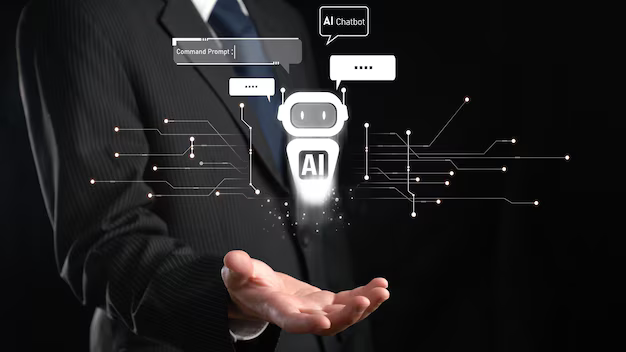
I think AI will change jobs more than eliminating or removing them completely. Many routine and repetitive tasks will be automated, but new roles will emerge that require human creativity, emotional intelligence, problem-solving, and oversight of AI systems. Some jobs may disappear, but others, especially in fields such as AI management, programming, data analysis, and human-centered areas like healthcare, education, and the creative industries, will grow. I think humans won’t be fully replaced by “AI-powered robots,” but people will need to adapt, upskill, and work alongside AI to stay relevant in the job market.
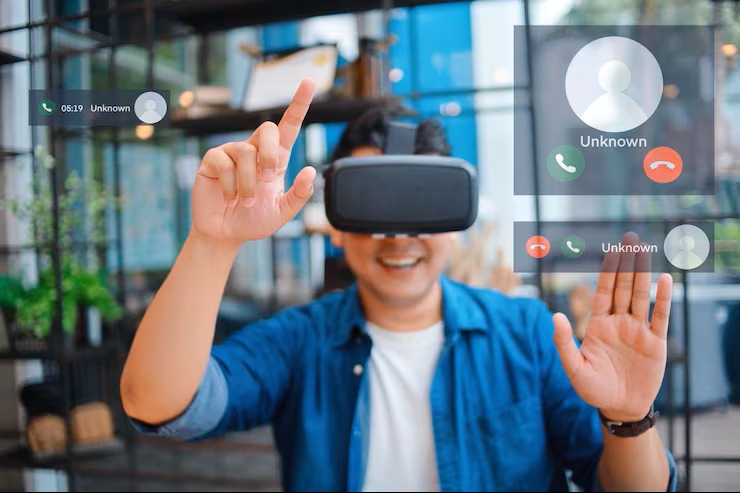
Life will be noticeably more connected and technology-driven. AI and automation will be part of daily routines, from smart assistants managing schedules to self-driving vehicles in some cities. Augmented and virtual reality will reshape education, work, and entertainment, while biotech advances may bring more personalized medicine and targeted therapies.
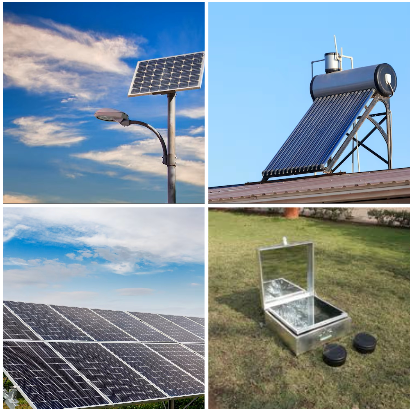
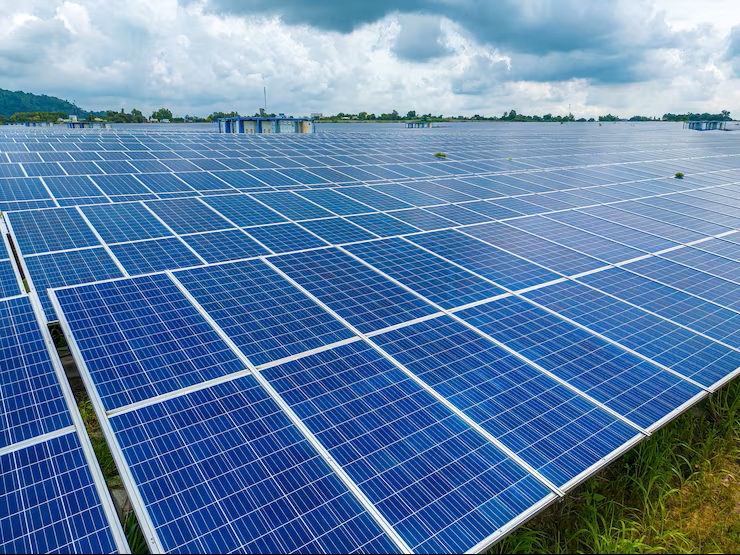
Renewable energy will be more widespread, though climate challenges and extreme weather events will persist. Work will increasingly revolve around collaborating with AI, and remote or hybrid models will be the norm. Cities will become smarter, with efficient traffic systems, digital services, and real-time health monitoring through wearable tech. Daily life will feel faster, more digital, and highly personalized, but underlying social and environmental challenges, such as inequality and resource management, will remain pressing concerns.
1. Work-Life Balance:
I think work-life balance will improve for some and worsen for others, depending on the field and how AI is integrated. AI can automate repetitive tasks, meaning less time spent on mundane work and more time for creative or meaningful projects. Remote work and AI tools will make schedules more flexible. But there’s also the risk of “always-on” culture, since AI tools make work faster, some may feel pressure to always keep up. So, balance will depend on how companies and individuals choose to manage AI.
2. Adaptation vs. Resistance to AI:
I think humans will mostly adapt rather than resist, because AI will be embedded everywhere, from cars and phones to homes and offices. People who resist AI may struggle to keep up, as it becomes a standard part of work, learning, and daily life. Over time, AI will be seen more as a tool and subordinate rather than a threat, but initial friction and fear will persist.
3. Jobs – Loss vs. Emergence:
I think AI will both eliminate some jobs and create new ones. Repetitive or predictable roles (like basic data entry, assembly line work, or certain administrative tasks) may decline. But new roles will emerge in AI development, management, ethics, human-AI collaboration, healthcare, robotics, creative fields, and tech-enabled services. The key is reskilling and lifelong learning. People who adapt will thrive; those who don’t may face challenges.
4. AI as Friend or Enemy:
I think AI will mostly be like a friend to us, not an enemy, but like any powerful tool, it can be misused. Its impact depends on how society regulates, implements, and educates people about it. If properly integrated, AI can free humans from mundane tasks, enhance health, and foster creativity. Mismanaged, then it could worsen inequality, job displacement, and even social tension.
5. Education System:
I think the education system will evolve significantly. Schools and universities will likely focus more on skills that AI cannot replace easily: critical thinking, creativity, emotional intelligence, problem-solving, and AI management skills. Traditional rote-learning may decline, while tech literacy, coding, and human-AI collaboration become central. Lifelong learning will be essential as AI and technology evolve faster than curricula can.
What if AI disappeared suddenly:
If AI suddenly disappeared, developers would face a significant shift in their daily workflow. Tasks that were previously accelerated by AI, such as code suggestions, debugging, generating boilerplate, and testing, would suddenly need to be done manually, making projects slower, more error-prone, and mentally heavier
I think life would get chaotic at first, especially for businesses and services that rely heavily on AI. Automated systems in healthcare, transportation, finance, and communication would slow down dramatically. Many jobs that have adapted to AI tools might feel harder or efficient again, and productivity could drop.
On the bright side, people might return to human-centered problem-solving, creativity, and jobs that require critical thinking, so some skills that were “forgotten” could make a comeback. It could actually be even good. Humans would reclaim core skills like they used to have before. Work would become more human-centered, fostering innovation and independent thinking. Jobs lost to AI could return, and ethical concerns would ease temporarily. Overall, it would act as a reset, encouraging humans to adapt, innovate, and approach work more thoughtfully.
AI is like a double-edged sword. Having AI brings efficiency, creativity, and new possibilities, but it also creates dependency, ethical dilemmas, and skill gaps. Not having AI can feel liberating, forcing humans to reclaim skills and innovate, yet it would initially disrupt productivity and convenience. Ultimately, I think the key is balance and adaptation: humans must learn to use AI wisely, integrating it as a tool and partner, not a crutch or replacement, while keeping critical thinking, creativity, and ethical awareness at the center. Adaptation is inevitable, but thoughtful integration will determine whether AI becomes a true ally rather than a source of chaos.
AI and Humanity: Balancing Innovation, Adaptation, and the Future of Work
November 28, 2025 | By Amarpal Singh Matharu
AI: A Double-Edged Sword Shaping Humanity, Jobs, and Our Future
I think AI will change jobs more than eliminating or removing them completely. Many routine and repetitive tasks will be automated, but new roles will emerge that require human creativity, emotional intelligence, problem-solving, and oversight of AI systems. Some jobs may disappear, but others, especially in fields such as AI management, programming, data analysis, and human-centered areas like healthcare, education, and the creative industries, will grow. I think humans won’t be fully replaced by “AI-powered robots,” but people will need to adapt, upskill, and work alongside AI to stay relevant in the job market.
Life will be noticeably more connected and technology-driven. AI and automation will be part of daily routines, from smart assistants managing schedules to self-driving vehicles in some cities. Augmented and virtual reality will reshape education, work, and entertainment, while biotech advances may bring more personalized medicine and targeted therapies.
Renewable energy will be more widespread, though climate challenges and extreme weather events will persist. Work will increasingly revolve around collaborating with AI, and remote or hybrid models will be the norm. Cities will become smarter, with efficient traffic systems, digital services, and real-time health monitoring through wearable tech. Daily life will feel faster, more digital, and highly personalized, but underlying social and environmental challenges, such as inequality and resource management, will remain pressing concerns.
1. Work-Life Balance:
I think work-life balance will improve for some and worsen for others, depending on the field and how AI is integrated. AI can automate repetitive tasks, meaning less time spent on mundane work and more time for creative or meaningful projects. Remote work and AI tools will make schedules more flexible. But there’s also the risk of “always-on” culture, since AI tools make work faster, some may feel pressure to always keep up. So, balance will depend on how companies and individuals choose to manage AI.
2. Adaptation vs. Resistance to AI:
I think humans will mostly adapt rather than resist, because AI will be embedded everywhere, from cars and phones to homes and offices. People who resist AI may struggle to keep up, as it becomes a standard part of work, learning, and daily life. Over time, AI will be seen more as a tool and subordinate rather than a threat, but initial friction and fear will persist.
3. Jobs – Loss vs. Emergence:
I think AI will both eliminate some jobs and create new ones. Repetitive or predictable roles (like basic data entry, assembly line work, or certain administrative tasks) may decline. But new roles will emerge in AI development, management, ethics, human-AI collaboration, healthcare, robotics, creative fields, and tech-enabled services. The key is reskilling and lifelong learning. People who adapt will thrive; those who don’t may face challenges.
4. AI as Friend or Enemy:
I think AI will mostly be like a friend to us, not an enemy, but like any powerful tool, it can be misused. Its impact depends on how society regulates, implements, and educates people about it. If properly integrated, AI can free humans from mundane tasks, enhance health, and foster creativity. Mismanaged, then it could worsen inequality, job displacement, and even social tension.
5. Education System:
I think the education system will evolve significantly. Schools and universities will likely focus more on skills that AI cannot replace easily: critical thinking, creativity, emotional intelligence, problem-solving, and AI management skills. Traditional rote-learning may decline, while tech literacy, coding, and human-AI collaboration become central. Lifelong learning will be essential as AI and technology evolve faster than curricula can.
What if AI disappeared suddenly:
If AI suddenly disappeared, developers would face a significant shift in their daily workflow. Tasks that were previously accelerated by AI, such as code suggestions, debugging, generating boilerplate, and testing, would suddenly need to be done manually, making projects slower, more error-prone, and mentally heavier
I think life would get chaotic at first, especially for businesses and services that rely heavily on AI. Automated systems in healthcare, transportation, finance, and communication would slow down dramatically. Many jobs that have adapted to AI tools might feel harder or efficient again, and productivity could drop.
On the bright side, people might return to human-centered problem-solving, creativity, and jobs that require critical thinking, so some skills that were “forgotten” could make a comeback. It could actually be even good. Humans would reclaim core skills like they used to have before. Work would become more human-centered, fostering innovation and independent thinking. Jobs lost to AI could return, and ethical concerns would ease temporarily. Overall, it would act as a reset, encouraging humans to adapt, innovate, and approach work more thoughtfully.
AI is like a double-edged sword. Having AI brings efficiency, creativity, and new possibilities, but it also creates dependency, ethical dilemmas, and skill gaps. Not having AI can feel liberating, forcing humans to reclaim skills and innovate, yet it would initially disrupt productivity and convenience. Ultimately, I think the key is balance and adaptation: humans must learn to use AI wisely, integrating it as a tool and partner, not a crutch or replacement, while keeping critical thinking, creativity, and ethical awareness at the center. Adaptation is inevitable, but thoughtful integration will determine whether AI becomes a true ally rather than a source of chaos.