
Where marble breathes love, time pauses, and history whispers softly
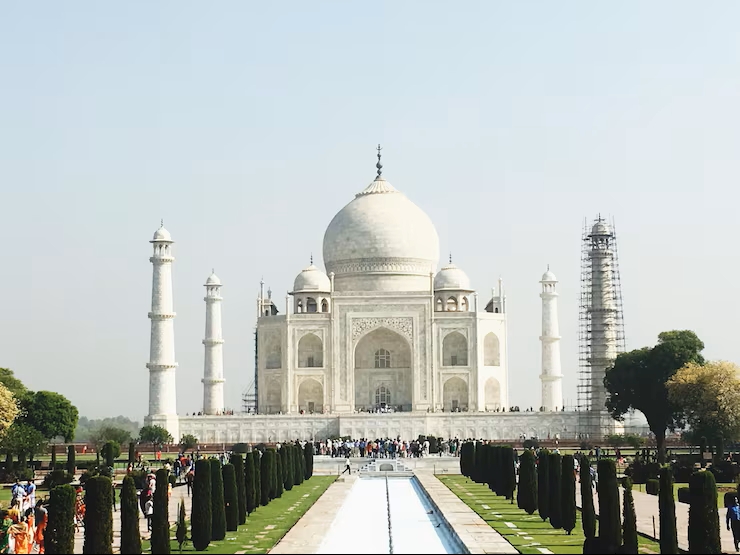
The Agra Taj Mahal tour is more than a visit, it is a strategic investment in timeless beauty, history, and emotion. Rising gracefully on the banks of the Yamuna River, the Taj Mahal continues to define India’s global identity with quiet authority. Built by Emperor Shah Jahan as a symbol of eternal love, this white marble masterpiece blends architecture, symmetry, and storytelling into one seamless experience. For modern travelers, planning the right time, securing the correct tickets, and understanding photography nuances can significantly elevate the journey. From soft sunrise hues to calm weekday crowds, every decision shapes the outcome of your visit.
This guide is designed to help you optimize your Agra Taj Mahal tour with clarity and confidence. Using practical insights and simple planning, you can avoid common mistakes and unlock the monument’s full visual and emotional impact. Think of this not just as travel advice, but as a roadmap to experiencing one of the world’s most admired landmarks with intention and ease.
Why Visit the Taj Mahal
The Taj Mahal is not just a monument; it is an experience that leaves a deep and lasting impression. Built as a symbol of eternal love, it stands as a perfect blend of history, art, and emotion. The detailed marble work, balanced design, and peaceful surroundings reflect the vision of the Mughal era and continue to inspire visitors from around the world.
As sunlight moves across the sky, the white marble shifts in color, creating a calm yet powerful visual effect. People visit not only to admire its beauty but to feel the silence, scale, and emotion the monument holds. Whether it is your first visit or a return journey, the Taj Mahal always reveals something new, making every visit meaningful and memorable.
Taj Mahal Ticket Information
Understanding Taj Mahal ticket details in advance helps you plan your visit smoothly and avoid unnecessary delays. Tickets can be purchased online through official platforms or directly at the entry gates, but online booking is strongly recommended, especially during peak tourist seasons. It saves time, reduces waiting in long queues, and allows better control over your travel schedule.
Ticket prices vary based on visitor category and are officially regulated. Indian citizens, foreign tourists, and visitors from SAARC or BIMSTEC countries are charged different rates. Children below the permitted age can enter free, though carrying age proof is advisable. The standard ticket allows access to the Taj Mahal complex, including the gardens and outer areas. However, entry inside the main marble mausoleum requires an additional ticket, which must be purchased separately and is limited in availability.
There are different types of tickets depending on where you want to go inside the complex:
- Standard Entry Ticket: Grants access to the Taj Mahal gardens, viewing platforms, and outer structures.
- Mausoleum Access Ticket: A separate additional ticket that allows entry inside the main white marble tomb chamber (limited slots available per day).
- Additional Services: Shoe covers and battery-powered vehicles (e-carts) inside the complex may have extra charges.
Essential Key Points:
- Every Friday, Taj Mahal remains closed for regular visitors
- Tickets are valid for a single visit only
- A government-issued photo ID is mandatory for entry
- Security checks are conducted at all gates, similar to airport screening
- Tickets are checked at multiple points inside the complex
- Re-entry is not allowed once you exit
Keeping your ticket safe until exit and following official guidelines ensures a stress-free and well-organized visit to the Taj Mahal.
How to Reach the Taj Mahal & Which is the Best Time to Visit
Agra is well-connected to major Indian cities, making travel to the Taj Mahal convenient and flexible. From Delhi, the most popular options are train and road travel. Several high-speed and express trains connect Delhi to Agra in just a few hours, offering comfort and reliability. Road travel via the Yamuna Expressway is another efficient choice, providing a smooth drive with clear signage and good facilities. Once in Agra, the Taj Mahal is easily accessible by auto-rickshaws, taxis, and app-based cabs from anywhere in the city.
The best time to visit the Taj Mahal is from October to March, when the weather remains cool and pleasant, and visibility is clear. During these months, walking inside the complex is comfortable, and the marble structure can be viewed without haze. Summer months can be extremely hot, while the monsoon season may affect visibility and photography.
For the best experience, visit the Taj Mahal early in the morning, preferably at sunrise. Morning hours have fewer crowds, calmer surroundings, and soft natural light that enhances the beauty of the marble. Sunrise visits also offer the best conditions for photography, making the monument appear more serene and visually striking.
Yes. There are several important additional rules and practical points visitors should know. Below is a clear, detailed, straight explanation with helpful bullets, keeping it simple and useful.
Rules, Things to Know & Common Mistakes to Avoid Before Visiting Taj Mahal
The Taj Mahal follows strict security and conservation rules to protect the monument and ensure visitor safety. All visitors must pass through security screening before entry, similar to airport checks. Only essential personal items are allowed inside, so carrying light baggage is strongly advised.
- Food, tobacco products, drones, and large bags are strictly prohibited
- Tripods and professional camera equipment require special permission
- Power banks and electronic items may be restricted at certain gates
- Shoe covers are mandatory when entering the main mausoleum
- Touching or damaging the marble surfaces is strictly forbidden
- Loud behavior and misuse of mobile phones are discouraged
- Photography is not allowed inside the main mausoleum
Visitors should dress modestly and wear comfortable footwear, as walking distances inside the complex are long. Plastic waste is discouraged to help maintain cleanliness and environmental balance.
Common mistakes include visiting during peak afternoon hours when heat and crowds are highest, ignoring weather forecasts, and hiring unofficial guides who may overcharge or provide incorrect information. Another frequent error is not checking gate timings and ticket validity in advance. Simple planning, early arrival, and following official rules ensure a smooth, respectful, and stress-free visit to the Taj Mahal.
Nearby Attractions in Agra
Agra is not limited to the Taj Mahal alone. The city carries layers of Mughal history, art, and local culture that are best experienced with a little extra time. Visiting nearby attractions adds context to the Taj Mahal and turns your trip into a well-rounded journey rather than a single stop.
- Agra Fort – A UNESCO World Heritage Site showcasing Mughal palaces, royal courts, and impressive views of the Taj Mahal from inside the fort.
- Mehtab Bagh – A riverside garden directly opposite the Taj Mahal, famous for peaceful sunset views and crowd-free photography.
- Itimad-ud-Daulah (Baby Taj) – A finely detailed marble tomb known for its delicate inlay work and quiet atmosphere.
- Akbar’s Tomb, Sikandra – A grand tomb set within large gardens, reflecting early Mughal architecture and design.
- Fatehpur Sikri – A historic Mughal city located near Agra, known for its palaces, mosques, and preserved ruins.
- Sadar Bazaar – A popular shopping area for souvenirs, handicrafts, and local street food.
- Kinari Bazaar – A traditional market near Agra Fort, ideal for marble crafts, leather goods, and local items.
Exploring these places adds depth and balance to your Agra visit. Together, they create a complete travel experience that blends history, culture, and local life, making your Taj Mahal tour more meaningful and memorable.