
Kaziranga National Park Where Nature Lives in Balance
Kaziranga National Park stands as a powerful yet peaceful example of nature working in balance. Located in Assam and recognized as a UNESCO World Heritage Site, the park is best known as the main home of the one-horned rhinoceros. However, its importance goes far beyond one animal. Spread across wide floodplains shaped by the Brahmaputra River, Kaziranga supports a rich and active ecosystem. Tigers, elephants, wild water buffalo, swamp deer, and hundreds of bird species share this carefully protected space.
The park changes with the seasons, and this change is its strength. Annual floods refresh the soil, help plants grow, and keep the natural cycle healthy. Grasslands, wetlands, and forests grow and renew themselves year after year. Visitors experience this living landscape through jeep and elephant safaris, which offer close views of wildlife while respecting nature’s boundaries. More than a tourist destination, Kaziranga is a long-term conservation success. It shows that when protection, planning, and patience come together, nature can thrive and remain balanced for future generations.
Where Kaziranga Is Located
Kaziranga National Park is located in Assam, in the northeastern part of India. It stretches along the southern bank of the Brahmaputra River, one of the largest rivers in the country. This location gives the park a natural advantage, as the river shapes the land and provides water throughout the year. The area is mostly flat, with wide open grasslands, wetlands, and small forest patches. Because of its river-based geography, Kaziranga has rich soil that supports strong plant growth. This natural setting makes the park an ideal home for large animals and birds. The mix of land and water creates a healthy environment where wildlife can live, feed, and move freely.
How Kaziranga Became a Protected Park
Kaziranga’s story of protection began in the early 20th century, at a time when wildlife in India was under serious threat. Around 1904, the population of the one-horned rhinoceros had fallen sharply due to hunting and habitat loss. Alarmed by this decline, the British government took the first step toward conservation. In 1905, Kaziranga was officially declared a Reserved Forest, mainly to protect the remaining rhinos and stop uncontrolled hunting.
As the importance of the area became clearer, stronger protection measures were introduced. In 1908, Kaziranga was upgraded to a Proposed Reserve, and in 1916, it was declared a Game Sanctuary, although hunting was still allowed under strict rules at that time. By 1938, hunting was completely banned, and Kaziranga became a Wildlife Sanctuary, marking a major shift toward full conservation and protection of all species.
After India’s independence, conservation efforts continued to improve. In 1974, Kaziranga was officially declared a National Park, giving it the highest level of legal protection under Indian law. Its global importance was later recognized in 1985, when UNESCO declared it a World Heritage Site for its outstanding natural value and biodiversity. Today, Kaziranga stands as one of India’s greatest conservation successes, showing how long-term planning and strong protection can help wildlife recover and thrive.
One-Horned Rhinoceros and Other Wildlife
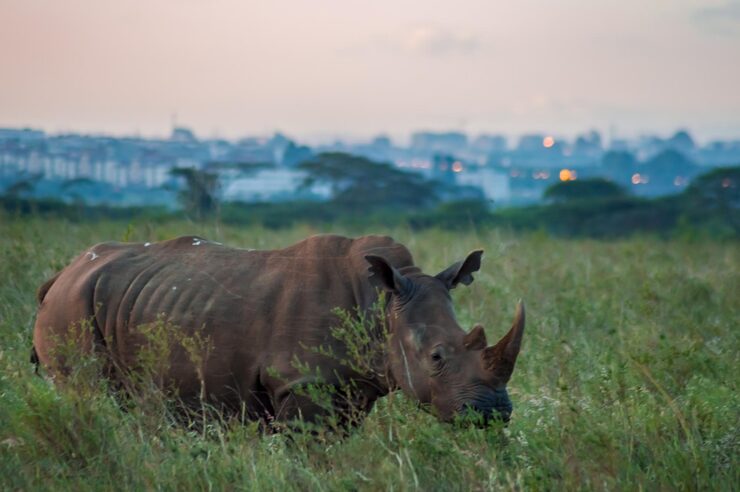
Kaziranga National Park is world-famous for the Indian one-horned rhinoceros, also called the greater one-horned rhino. This large animal is known for its single black horn and thick, armor-like skin. Kaziranga protects over 2,600 one-horned rhinos, which is more than two-thirds of the world’s total population. These rhinos prefer open grasslands and wetlands, where they feed on tall grasses, leaves, and water plants. Strong protection and strict anti-poaching measures have helped their population grow steadily over the years.
Apart from rhinos, Kaziranga is also home to a healthy population of Bengal tigers. The park has around 120 tigers, making it one of the highest tiger-density areas in India. Tigers live in the thick grass and forest zones, using the tall vegetation for cover while hunting. Their presence shows that the ecosystem is balanced, as tigers can survive only where there is enough prey and a safe habitat.
Asian elephants are another key species found in Kaziranga. Nearly 2,000 elephants move through the park, especially during the dry season. They usually travel in herds and are often seen near rivers and grasslands. The park also protects wild water buffalo, with a population of around 1,200 animals. These buffalo are among the largest and strongest in the world and are commonly seen grazing in open areas.
Kaziranga also supports swamp deer, hog deer, wild boars, and several species of monkeys. Reptiles such as snakes, turtles, and crocodiles live in the wetlands and rivers. In addition, the park is a major bird habitat, with over 500 bird species, including migratory birds like bar-headed geese and pelicans. This rich wildlife population clearly shows that Kaziranga National Park is a strong and successful example of wildlife conservation in India.
Land, Plants, Floods, and Best Time to Visit
Kaziranga National Park has a unique and rich landscape shaped by nature over thousands of years. The park is mostly covered with tall elephant grass, which can grow higher than a person. These grasslands are the main feeding areas for animals like one-horned rhinoceroses, wild water buffalo, and deer. Along with grasslands, Kaziranga has marshes, ponds, small rivers, and patches of tropical forests. This mix of land and water creates safe spaces for animals to rest, feed, and breed throughout the year.
The plant life in Kaziranga plays a major role in supporting wildlife. The tall grasses provide food and also act as natural cover, helping animals stay hidden from predators. Forest areas offer shade and protection during hot seasons, while wetlands support water plants that attract birds, reptiles, and grazing animals. Together, these plants keep the ecosystem balanced and healthy.
Seasonal floods caused by the Brahmaputra River are a natural and important part of life in Kaziranga. Every year during the monsoon, floodwaters spread across the park. While floods may seem harmful, they bring fresh nutrients to the soil and help new plants grow. Floods also prevent overgrowth and help maintain open grasslands, which are essential for grazing animals. Many animals move to higher ground during this time, showing how wildlife has adapted to these natural changes.
The best time to visit Kaziranga National Park is from November to April, when the park remains open to visitors. During these months, the weather is cooler and drier, making safaris comfortable. Wildlife sightings are more frequent as animals gather near water sources and open areas. The park remains closed during the monsoon season due to heavy rains and flooding, which ensures the safety of both visitors and wildlife.
Safaris and Why Kaziranga Is Important Today
Kaziranga National Park offers two main ways for visitors to explore its wildlife: jeep safaris and elephant safaris. Jeep safaris cover large areas of the park and allow visitors to travel through grasslands, forests, and wetlands. These safaris are led by trained guides who help visitors understand animal behavior and the park’s ecosystem. Elephant safaris take place in the early morning and offer a closer, quieter view of animals like rhinos in open grasslands. Both safari types follow strict rules to ensure animals are not disturbed.
Safety and conservation are given top priority during all safari experiences. Routes, timings, and visitor numbers are carefully managed to protect wildlife and their natural habitat. This controlled approach allows people to enjoy the park while keeping the environment balanced. Safaris also help create awareness about wildlife protection and responsible tourism.
Today, Kaziranga is more than a popular travel destination—it is a national symbol of successful conservation. The park has played a major role in protecting endangered species, especially the one-horned rhinoceros. Its conservation model shows that strong laws, community support, and respect for nature can produce long-lasting results. Kaziranga reminds us that protecting wildlife today is essential for a healthier and more sustainable future.