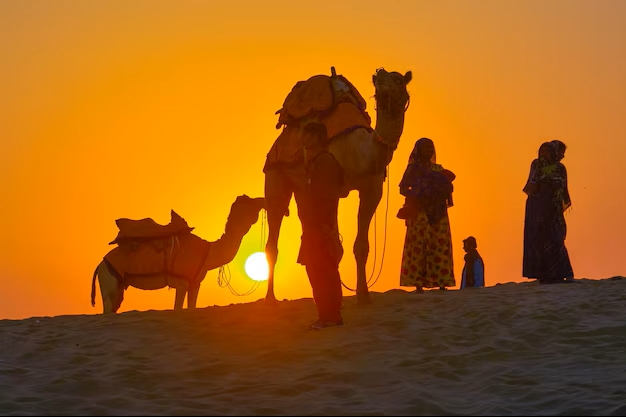

Where stone remembers kings, and time bows to tradition.
Rajasthan Heritage Tours open a strategic gateway into India’s most enduring legacy of power, art, and royal ambition. This land is not just a destination, it is a living portfolio of forts, palaces, and traditions that continue to deliver cultural value across centuries. From the commanding walls of Amber and Mehrangarh to the refined elegance of Udaipur’s lake palaces, Rajasthan presents architecture as a statement of vision and authority. Every corridor tells a story of kings, queens, and courtly life shaped by courage, diplomacy, and creativity. Heritage tours here are immersive experiences, blending grand visuals with local customs, folk music, regal hospitality, and time-tested cuisine. The journey moves beyond sightseeing into storytelling, where travelers engage with history rather than observe it from a distance. For those seeking authentic royal experiences, Rajasthan offers a balanced mix of exploration, comfort, and cultural depth, making it a timeless destination in the global travel landscape.
Famous Forts and Their Stories
Rajasthan’s forts rise like strategic landmarks on the horizon, built not only for defense but to project authority and vision. Forts such as Amber, Mehrangarh, Jaisalmer, and Chittorgarh were carefully planned to control trade routes, protect royal families, and command the surrounding land. Their massive walls, strong gates, and elevated positions reflect the advanced military thinking of their time. These forts were designed to withstand prolonged battles, extreme weather conditions, and enemy attacks, making them powerful symbols of Rajput bravery and leadership. Each fort carries a distinct identity shaped by the rulers who built and expanded it.
Beyond their strong exteriors, these forts reveal the rhythm of royal life. Inside, visitors discover grand courtyards, sacred temples, meeting halls, armories, and beautifully decorated royal chambers. Every space had a purpose, from planning warfare to celebrating festivals and ceremonies. The detailed carvings, mirror work, and murals reflect both artistic excellence and cultural pride. These interiors show how royalty balanced power with comfort, faith, and refined living.
Walking through these forts feels like entering a living history book. Stories of heroic battles, legendary rulers, sacrifices, and royal alliances are woven into the walls. From tales of valor at Chittorgarh to the commanding presence of Mehrangarh overlooking Jodhpur, each fort offers a deep connection to Rajasthan’s past. For travelers, exploring these forts is an essential part of understanding the region’s heritage, making them a cornerstone of any Rajasthan heritage tour.
Royal Palaces and Beautiful Architecture
The royal palaces of Rajasthan stand as timeless expressions of elegance, vision, and artistic excellence. Built by powerful rulers, these palaces were designed not only as royal residences but also as symbols of prestige and governance. Palaces such as the City Palace in Jaipur, Umaid Bhawan in Jodhpur, and the Lake Palace in Udaipur reflect a perfect balance between beauty and functionality. Their locations, overlooking lakes, nestled within forts, or rising above cities, were carefully chosen to enhance both security and visual impact.
Architecturally, these palaces showcase a rich blend of Rajput, Mughal, and regional styles. Marble floors, detailed mirror work, hand-painted ceilings, carved balconies, and airy courtyards highlight the craftsmanship of skilled artisans. Every element, from decorative arches to jharokhas, was created with precision and meaning. These details reveal how art and architecture were used to express royal identity, cultural values, and refined taste.
Today, many of these palaces have been preserved as museums or converted into heritage hotels, allowing visitors to step into a royal lifestyle. Walking through grand halls, private chambers, and royal gardens provides a unique glimpse into the daily lives of kings and queens. Their preserved beauty, historical value, and immersive experience make Rajasthan’s palaces a central attraction for travelers seeking authentic heritage and architectural brilliance.
Culture, Traditions, and Daily Life
Rajasthan’s culture is rich, colorful, and closely connected to its royal past. Folk music and traditional dances such as Ghoomar and Kalbelia are not just performances, they are expressions of history, celebration, and everyday life. Traditional clothing, with bright colors, turbans, and detailed jewelry, reflects the region’s climate, customs, and social values. Festivals like the Pushkar Fair, Teej, and the Desert Festival bring communities together, showcasing rituals, music, camel fairs, and local traditions that have been followed for generations.
Beyond forts and palaces, daily life in Rajasthan offers a deeper cultural experience. Village homes, local markets, and age-old handicrafts such as pottery, block printing, embroidery, and jewelry making show the creativity of local artisans. Travelers can also meet local people, observe their traditional lifestyles, and even enjoy cultural evenings filled with music and storytelling. This close connection between people, tradition, and art gives Rajasthan its warm, welcoming character and makes every visit feel authentic and meaningful.
Traditional Food from Royal Kitchens
Rajasthani cuisine reflects a thoughtful blend of royal luxury and desert survival. Shaped by limited water, harsh climate, and long journeys, the food of Rajasthan was designed to be filling, flavorful, and long-lasting. Royal kitchens refined these recipes, turning simple local ingredients into rich dishes fit for kings and nobles. The use of ghee, dried lentils, gram flour, and strong spices helped preserve food while enhancing taste. Every meal was prepared with care, balancing nutrition, tradition, and royal preference.
Many famous Rajasthani dishes have deep royal connections. Dal Baati Churma was a favorite among warriors and royalty due to its high energy value and long shelf life. Laal Maas, a bold meat curry, was created for royal hunts and reflects the fearless spirit of Rajput rulers. Gatte ki Sabzi and Ker Sangri emerged as creative solutions to desert cooking, using dried ingredients and spice blends to create unique flavors. These dishes represent both resilience and refinement.
Food in Rajasthan is also a cultural expression. Meals were often shared during festivals, ceremonies, and royal gatherings, strengthening social bonds. Cooking methods such as slow roasting, smoking, and clay-pot cooking added depth to flavors while preserving authenticity. The careful use of spices was not about heat alone, but about creating layered taste.
Today, heritage hotels and palace kitchens continue this culinary legacy, offering travelers a royal dining experience. Visitors can enjoy traditional recipes served in elegant settings, connecting taste with history.
Best Time to Visit Rajasthan
The best time to visit Rajasthan is from the month of October to the month of March, when the weather is pleasant and suitable for sightseeing. During these months, travelers can comfortably explore forts, palaces, deserts, and markets. Winter also brings cultural festivals that add extra charm to heritage tours. Summers can be very hot, especially in desert regions, while the monsoon season offers fewer crowds but limited outdoor activities. Planning your visit during the cooler months ensures a richer and more enjoyable Rajasthan heritage experience.