
“We made life easier with technology, but somehow made peace harder to find.”
Life today moves faster. We’ve got smartphones, computers, the internet, quick transport, modern machines, technology, etc yet they are built to save our time and make our lives easier. And yet 24 hours still doesn’t feel like enough. We wake up, get ready, head off to work, school, or college, spend most of the day getting through our responsibilities, then come home tired, with barely anything left for family, friends, or ourselves. We’re more “connected” than we’ve ever been, but somehow further away from the people who actually matter.
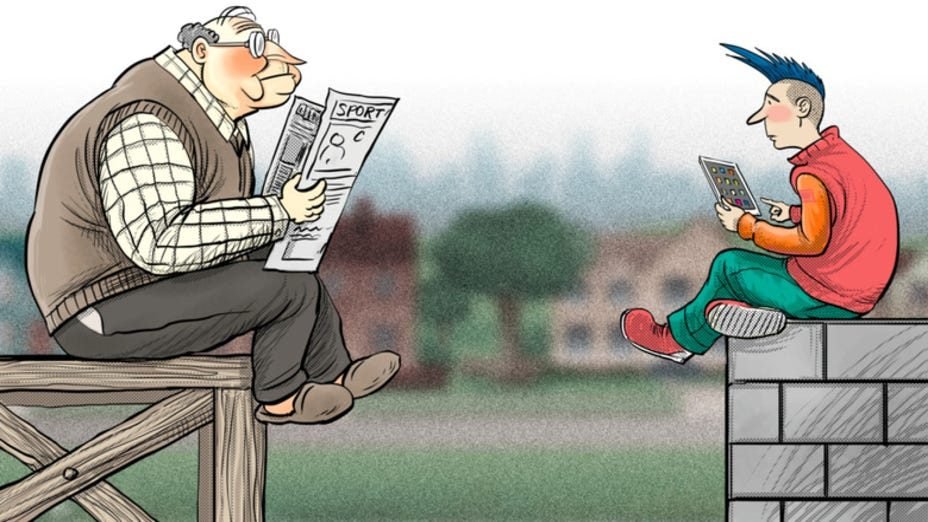
If we look back at life in earlier times, it gets interesting. People had way fewer conveniences back then. No smartphones, no instant messages, no online services, none of the machines that now do half our work for us. People walked long distances to reach their workplaces, worked with their hands, put in real physical effort just to get through an ordinary day. But they still made time to sit together, talk, visit relatives, meet neighbours, just enjoy the small moments. This raises an important question: If technology was created to give us more time, why do we feel like we have less of it today?
This isn’t just past-versus-present nostalgia. It’s more about how our priorities and expectations have quietly shifted over time. Maybe it was never really about how much time we have maybe it’s about how we spend it.
Modern Life: The Race With No Finish Line
We often say technology saves time, and technically, it does. A task that once took hours may now take minutes. Communication that once required travelling can happen instantly. Shopping, banking, studying, working, and even meeting people can happen from a phone. But the interesting paradox is that saving time does not necessarily mean having more time.
I think we’re so busy today because life has slowly turned into a race with no real finish line. We’re in a race to achieve more, earn more, study more, work harder, keep moving. Technology just speeds up that race by keeping us switched on all day. There’s always another message, another email, another deadline, another notification pulling at our attention. We’ve gotten really good at being productive and maybe a little worse at just being present.
Some of this rush comes from comparison too. We’re not just measuring ourselves against the people around us anymore. Social media shows us thousands of lives a day, and without meaning to, we start comparing ours to all of them. Someone’s more successful, someone’s travelling more, someone has a bigger house, someone just looks happier. Slowly, we start feeling like we’re falling behind. We run, not always because we know where we’re going, but because everyone else seems to be running too. And when life turns into a race with no clear destination, even reaching our goals can leave us wondering what we were chasing in the first place.
People have always had problems. But today, we carry a lot of them in our heads at once. We worry about the future, while trying to live in the present. Money, career, relationships, responsibilities, expectations, tomorrow, it’s all running in the background. Our bodies sit still, but our minds are somewhere else entirely. We’ve built a world where you can be physically still and mentally worn out at the same time.
Which brings up the real question: if we have everything that’s supposed to make life easier, but still can’t find peace, what are we actually gaining?
I don’t think the answer is rejecting modern life or going back to the past. The past had its own struggles, and the present has given us things once unimaginable. Maybe the real challenge is learning to use progress without letting it swallow us. Maybe a meaningful life isn’t the one where we achieve the most, but the one where we still have time and peace enough to appreciate what we already have. In the end, life isn’t only about how much we get done before time runs out. It’s also about whether, somewhere in the middle of it all, we stopped, breathed, loved, connected, and actually felt alive.
Older Life: A Different Kind of Competition
I wouldn’t say older life was somehow peaceful, or that people had nothing to worry about. They had their own struggles: health problems, poverty, difficult work, limited communication, fewer opportunities, and plenty of things we’re lucky not to deal with today.
What I find beautiful about that older way of living, though, is togetherness. A hard task wasn’t always one person’s burden. Work was shared someone cooked, someone worked the fields, someone looked after the home, someone watched the children, and everyone pitched in however they could. The work may have been physically harder, but people were usually doing it together. There was conversation, companionship, a sense that everyone had a role to play. Even ordinary work turned into something shared.
Competition looked different back then too. People worked hard and wanted better lives, sure, but they weren’t constantly staring at thousands of other people’s achievements the way we are now. There was no endless scroll showing who’s earning more, travelling farther, studying at a better college, building a flashier career. Today, that comparison never really stops. It can make whatever we’ve achieved feel like it’s still not enough. Maybe earlier generations had fewer opportunities in some ways, but maybe they also carried less pressure to constantly prove themselves, stay ahead, and keep up with everyone else.
Conclusion
The old generation had fewer tools, but perhaps more hands, we have more tools, but often fewer hands around us. They had less technology but more dependence on one another. We have incredible technology and independence, but sometimes that independence turns into isolation.
So I wouldn’t say, “Life was perfect in the old days.” I’d say something more thought-provoking, like: Maybe life wasn’t easier then. Maybe people were simply better at carrying its difficulties together.