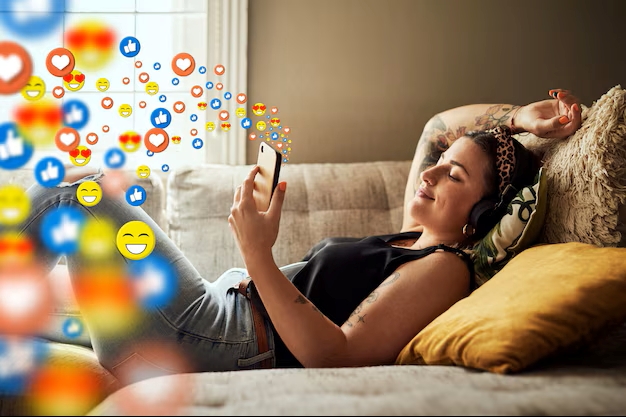

Scroll with purpose, live with presence, balance builds a quieter, better life.
Social media has become a natural part of everyday living. From the moment we wake up to the time we sleep, it affects how we think, plan, and interact. It shapes opinions, lifestyle choices, shopping habits, and even personal goals. While it helps people stay informed and connected, constant exposure can reduce focus and shorten attention spans. Over time, social media begins to influence routines, emotions, and self-image. Understanding this influence is the first step toward using social media in a more controlled and healthy way, instead of letting it silently control daily life. Platforms designed for connection now operate as always-on ecosystems, influencing daily routines, sleep cycles, productivity, and even self-worth. In this high-velocity digital environment, the question is no longer whether social media is good or bad, but how it fits into a healthy, sustainable life. Finding balance means aligning online engagement with real-world priorities, not eliminating it altogether. When used with intention, social media can support learning, creativity, and meaningful relationships. When unmanaged, it can dilute focus and amplify comparison. A healthy balance sits at the intersection of awareness, discipline, and choice.
This article explores how social media impacts lifestyle habits and offers practical insights to regain control, protect mental well-being, and build a more mindful relationship with the digital world, one that serves you, rather than silently steering you.
Importance of Offline Life and Real Relationships
Offline life and real relationships are essential for emotional stability and mental clarity. Face-to-face interactions allow people to read emotions, build trust, and communicate more honestly than digital messages ever can. Spending quality time with family and friends creates a sense of belonging and emotional security, which reduces stress and feelings of loneliness. These real-world connections help people feel supported and understood in ways social media cannot fully provide.
Stepping away from screens also helps the mind slow down and recharge. Activities like walking outdoors, exercising, or enjoying hobbies improve mood and focus while giving the brain a break from constant digital noise. Offline moments encourage mindfulness and presence, helping people stay grounded in reality. A healthy lifestyle balances online engagement with real-life experiences, allowing social media to support relationships rather than replace meaningful human connections.
Signs of Unhealthy Social Media Use and Need for Boundaries
Unhealthy social media use often develops gradually and becomes part of a daily routine without notice. Constant scrolling, even without interest, is one of the earliest signs. Over time, it affects concentration, reduces productivity, and creates a habit of distraction. Many people find it difficult to stay focused on work or personal tasks because their attention is repeatedly pulled toward notifications and feeds.
Another clear warning sign is emotional impact. Comparing personal life with carefully curated online content can lead to self-doubt, anxiety, and low self-esteem. Feeling restless or uncomfortable when the phone is not nearby also indicates digital dependence. These behaviors slowly drain mental energy and affect overall emotional well-being.
Sleep disruption is another major issue linked to excessive social media use. Late-night scrolling keeps the brain active, reduces sleep quality, and leads to fatigue the next day. Poor sleep patterns directly affect mood, decision-making, and physical health, making it harder to maintain balance in daily life.
Digital boundaries are essential to regain control. Boundaries do not mean avoiding social media completely, but using it with intention and limits. They protect focus, time, and mental clarity, allowing social media to serve life goals instead of interrupting them.
Simple Ways to Build Healthy Digital Boundaries:
- Set daily screen-time limits and stick to them
- Turn off non-essential notifications
- Avoid social media before bedtime
- Follow positive and meaningful content only
- Schedule screen-free time during the day
Simple Ways to Maintain a Healthy Balance
Maintaining a healthy balance with social media begins with awareness and intention. Instead of using platforms out of habit, conscious usage helps control time and attention. When social media is treated as a tool rather than a default activity, it becomes easier to manage its influence. Small changes in daily behavior can reduce digital overload and improve focus without creating stress or restriction.
Purpose-driven usage is key to balance. Using social media for learning, professional growth, or positive inspiration adds value, while mindless scrolling drains energy. Regular digital breaks allow the mind to reset and reduce dependence on constant updates. Placing real-life responsibilities, relationships, and personal well-being first helps create a sustainable routine where online activity supports life rather than interrupts it.
A healthy balance is built through consistent habits, not extreme rules. When daily choices align with personal goals and mental well-being, social media becomes a supportive part of a lifestyle instead of a distraction.
Simple Habits to Maintain Digital Balance:
- Use social media at fixed times each day
- Unfollow accounts that cause stress or negativity
- Take short breaks from screens during the day
- Avoid scrolling during work or study hours
- Focus on content that supports learning and growth
Positive Impact of Social Media When Used Wisely
When used wisely, social media offers meaningful opportunities for personal and professional growth. It provides easy access to educational content, expert knowledge, and new ideas across many fields. People can learn skills, follow industry trends, and gain insights that support career development and self-improvement. Social media also allows creators to share ideas, express creativity, and reach wider audiences without traditional barriers.
Social media plays an important role in building professional networks and global connections. Platforms help individuals connect with like-minded people, collaborate on ideas, and stay informed about opportunities. For businesses and professionals, it supports visibility, communication, and relationship building. These connections can open doors that may not be possible through offline channels alone.
The positive impact depends on mindful use. Selecting quality content, setting clear goals, and limiting distractions help turn social media into a valuable resource. When used with purpose, social media supports learning, creativity, and connection, contributing to a balanced and productive lifestyle rather than overwhelming daily life.
Social media is neither an enemy nor a solution on its own, it is a tool that reflects how it is used. A healthy lifestyle does not require disconnecting from the digital world, but learning how to engage with it mindfully. By understanding its influence, setting clear boundaries, and prioritizing real-life experiences, people can protect their mental well-being and daily focus. When social media is used with purpose, it supports learning, connection, and personal growth. True balance comes from conscious choices that place real life first, allowing social media to enhance life rather than quietly control it.