
Beyond the forts and palaces lies a slower, warmer Rajasthan.
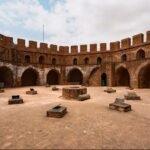
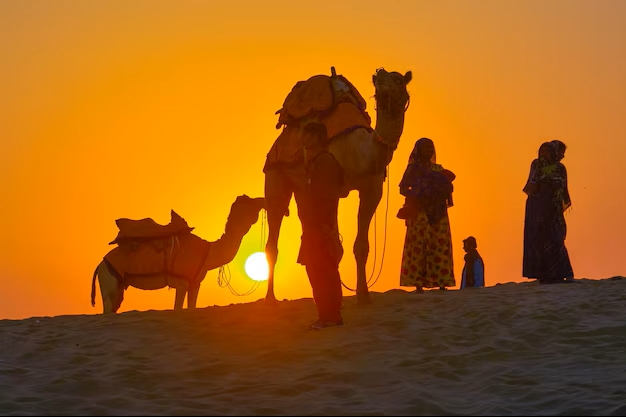
Everyone pictures the same Rajasthan. Forts on hilltops. Palaces lit up gold at sunset. A camel silhouette, obviously. And look, that version’s real, it’s stunning actually. But drive twenty minutes off that route, into an actual village, and you get something the palaces just can’t hand you, real life, happening the way it’s happened for generations, with nobody performing for a camera. Mud houses in warm earth tones. Women walking home with water pots on their heads, not posing, just doing what needs doing. Farmers already out working before the sun’s properly up. That’s rural Rajasthan. And honestly? It might be the most rewarding kind of travel in the whole state, if you’re willing to slow your pace down enough to actually notice it.
What Rural Tourism Here Actually Looks Like
This isn’t some staged show put on for tourists with a camera. Real village tourism means staying with, or near, a local family. Eating what they eat. Watching daily life happen at its own pace, herding, farming, weaving, cooking over a wood fire, instead of racing through a checklist of monuments.
It’s grown a lot over the last decade. Partly because travelers got tired of crowded forts and started wanting something a bit more honest. Villages around Jodhpur, Udaipur, and Jaisalmer picked up on that, and now you’ll find homestays, guided walks, and cultural evenings genuinely run by local families. Not a big tour company pretending to be local.
A Village Homestay Changes the Entire Trip
There’s a real gap between visiting a village for two hours off a bus, and actually sleeping there. A homestay drops you straight into a family’s daily rhythm. You wake up to cattle, not traffic. Meals happen around a low table, cooked right in front of you half the time, and conversation happens in whatever mix of Hindi, Marwari, and hand gestures gets the point across.
Villages like Rohet, Chandelao, and pockets of the Bishnoi community near Jodhpur have built a real reputation for exactly this. Rooms are simple, sometimes just a cot and a courtyard. That’s kind of the whole point though. Nobody’s coming here for luxury. They’re coming for the Rajasthan that never makes it into a five-star brochure.
The Architecture Tells Its Own Story
Rajasthani villages have a visual language you won’t find anywhere else. Round mud huts, thatched roofs out in the desert belt, walls thick enough to stay cool through brutal summer heat, hand-painted with geometric patterns using natural pigments. None of it’s decoration for visitors. It’s practical design, refined over centuries just to survive here.
Some villages still build the old “dhani” way, clusters of huts around a shared courtyard, built for extended families living together under one roof, more or less. Walk through one of these clusters slowly, and you’ll notice things a quick drive-by would completely miss. Hand-carved wooden doors. Cow-dung-plastered floors that stay naturally cool. Tiny shrines tucked into corners you’d never think to look.
Everyday Life Still Runs on the Old Rhythms
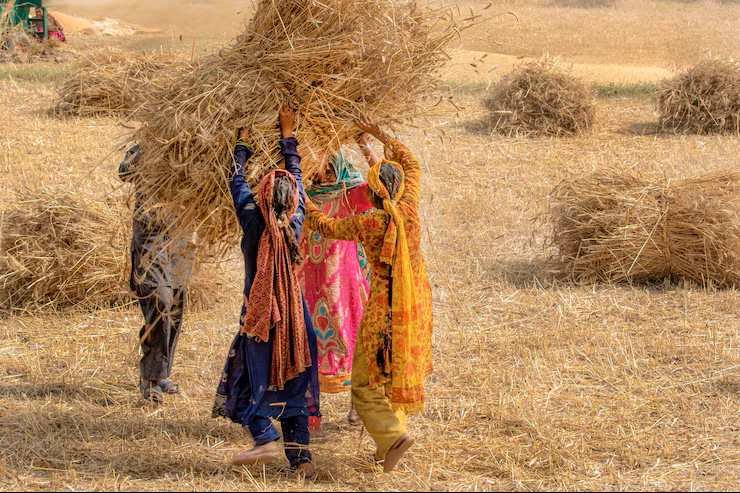
Village life here still moves with the sun, roughly. Mornings start early, cattle get led out to graze, women fetch water, and by the time the heat really kicks in, most outdoor work has already wrapped up for the day. Men often work the fields or tend livestock. Women handle a mix of household work, weaving, and increasingly, small handicraft businesses that bring in a bit of extra income.
What strikes most visitors first is how communal it all feels. Neighbors pitch in on each other’s harvests. Kids move freely between homes like the whole village is one big house. Decisions, big or small, get talked through as a group more often than not. It’s a completely different social rhythm from city life, and that contrast alone is a big part of why these visits stay with people.
Village Food Is Simple, and That’s Exactly the Point
Forget the elaborate restaurant thalis for a second. Village food runs on whatever the land actually gives, bajra roti, gatte ki sabzi, fresh buttermilk, lentils cooked slow over a wood fire. Meals get eaten sitting on the floor, served on steel plates, shared without much ceremony at all.
A few things genuinely worth trying if you get the chance:
- Bajra roti with fresh ghee, a village staple through and through
- Ker sangri, a desert-bean dish unique to this part of the country
- Lassi or chaach made fresh off that day’s milk
- Dal baati churma, though the village version’s heartier and rougher than the city one, in a good way
Evenings Belong to Folk Music
Once the sun drops, a lot of villages that host visitors put together an evening of folk music. Sometimes it’s planned. Sometimes someone just picks up a khartal and starts playing, and it snowballs from there. The Manganiyar and Langa communities are known well beyond Rajasthan for this, haunting, string-heavy music passed down almost entirely by ear, generation after generation.
Dance usually follows. It’s rarely a stiff stage performance either. It feels more like a village gathering that happens to include a few extra guests that night. That looseness is exactly what makes it feel real instead of rehearsed for tourists.
Camel Safaris Tie the Villages to the Desert
Around Jaisalmer and parts of the Thar Desert, village tourism and camel safaris naturally overlap. A short camel ride between villages, or out to a dune camp overnight, gives you a real feel for how desert communities have moved and traded across this landscape for centuries.
Camping under a genuinely dark, star-packed desert sky, dinner cooking over an open fire nearby, courtesy of a village family, is the kind of night that sticks with you a lot longer than any fort tour will.
Local Crafts Put Money Straight Into the Village
A lot of these villages are known for a specific craft, block printing near Bagru, pottery in a few Jodhpur-area villages, intricate mirror-work embroidery elsewhere. Visit the workshops directly and buy straight from the artisan, and that money goes right into the local economy instead of getting swallowed by a middleman somewhere in between.
Watching a block print get hand-carved and stamped, or a clay pot take shape on a manual wheel, changes how you see the final piece too. It’s not just a shelf souvenir anymore. It’s something you watched come to life.
Rural Fairs Turn the Volume Up
Time your visit around a rural fair, and the whole thing shifts up a gear. Events like the Pushkar Camel Fair, or smaller regional cattle fairs, pull villagers in from across the whole region, turning quiet dirt roads into a swirl of color, music, livestock trading, and food stalls. It’s chaotic, sure. But it’s about as far from a curated tourist experience as travel gets, and that’s exactly why it’s worth catching.
Why This Kind of Travel Actually Matters
There’s a bigger reason rural tourism in Rajasthan is worth supporting, beyond just having a memorable trip. Money spent in villages, on homestays, local guides, handicrafts, goes straight to communities that don’t always see much from the state’s bigger tourism economy. It’s a genuinely more sustainable way to travel, one that keeps traditional skills and lifestyles economically viable, instead of letting them quietly fade out as younger generations move to the cities for work.