
North India: A Journey Through Its Cultural Diversity
North India is a land where opposites do not clash, but embrace. The Himalayas rise in silent majesty, brushing the sky, while deserts below whisper in golden stillness. In its cities, a temple bell, a muezzin’s call, a hymn, and a kirtan weave together a single fabric of faith. On the banks of the river Ganga at the city of Varanasi, ancient rituals glow against the river’s eternal flow, even as steel and glass towers rise in Delhi, carried forward by the rhythm of modern life.
Its food speaks both of kings and of hearths, rich and rustic at once. Its attire is woven with beauty yet born of necessity. Its culture is a river that remembers its source even as it seeks the sea. Above all, North India is not a relic of the past, nor only a vision of the future; it is a timeless heartbeat, alive with memory, alive with change.
1. Geography & Climate North
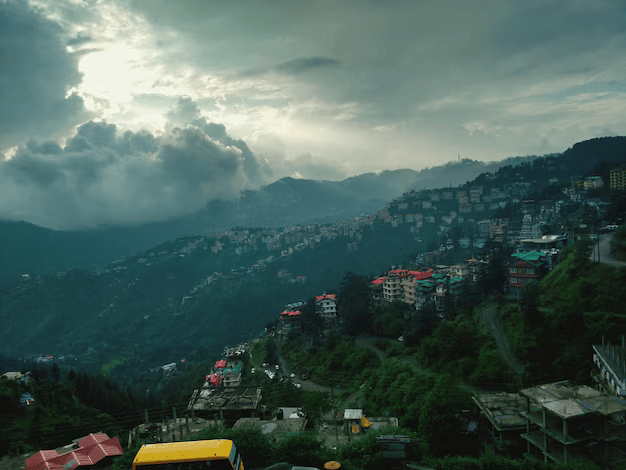
India is a land of striking contrasts where nature writes poetry in diverse forms. In the far north, the mighty Himalayas crown the region with snow-capped peaks, serene valleys, glaciers, and alpine meadows. Kashmir is often called “Paradise on Earth”, with its sparkling Dal Lake, apple orchards, and saffron fields. Himachal Pradesh and Uttarakhand offer misty pine forests, gurgling rivers, and pilgrimage routes that lead up to the Char Dham shrines.
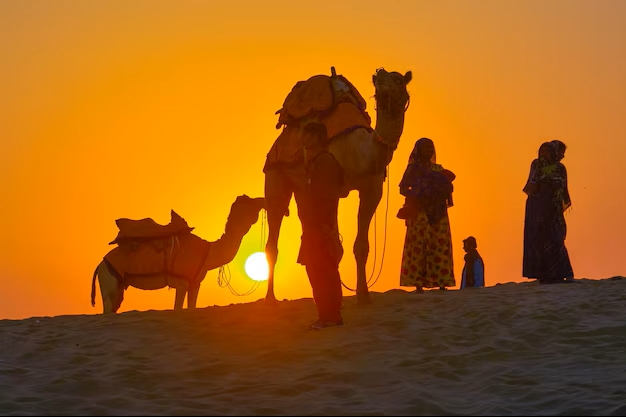
Moving southwards, the Himalayas gently slope into the fertile Indo-Gangetic plains, the “breadbasket of India”, where Punjab, Haryana, Uttar Pradesh, and Bihar grow wheat, rice, and sugarcane. Further west lies Rajasthan, the golden desert state, with its endless dunes, scorching summers, and cool, starry nights. The climate across North India is as varied as its terrain: freezing winters in Kashmir and Himachal, blazing hot summers in Delhi and Rajasthan, refreshing monsoons that drench the plains, and pleasant autumns that make festivals more vibrant. This climatic diversity shapes not only agriculture and lifestyle but also clothing, food, and architecture.
2. History & Past
The past of North India is as rich and layered as its soil. It was here that one of the world’s oldest civilizations, the Indus Valley Civilization, flourished around 2500 BCE, leaving behind ruins of Harappa and Mohenjo-daro. The Vedic age that followed gave birth to Hindu philosophy, rituals, and scriptures like the Rigveda. Later, great empires like the Mauryas under Ashoka spread Buddhism across Asia, while the Guptas ushered in a golden age of art, science, and literature.
In the medieval era, Delhi became the seat of power for the Delhi Sultanate, followed by the Mughals, whose contributions, like the Taj Mahal, Fatehpur Sikri, Red Fort, and Jama Masjid, remain immortal. Parallelly, the Rajputs of Rajasthan built impregnable forts and palaces, while the Sikhs in Punjab rose with valor and spiritual devotion. Under colonial rule, Delhi became the capital of British India, witnessing key events like the Revolt of 1857. Post-independence, North India remains politically significant with Delhi as the national capital. Every stone over here breathes the history, whether it is the ghats of Varanasi, the fortresses of Jaipur, or the colonial avenues of Lutyens’ Delhi.
3. Religion & Spirituality
North India is often called the spiritual cradle of the subcontinent because it gave birth to multiple world religions and nurtured them for centuries. Hinduism finds its holiest sites here: Varanasi, Ayodhya, Mathura, Haridwar, and Rishikesh. Sikhism originated in Punjab under Guru Nanak Dev Ji, with the Golden Temple in Amritsar symbolizing both devotion and equality. Buddhism traces its roots to Bodh Gaya in Bihar, where Gautama Buddha attained enlightenment, and Sarnath near Varanasi, where he preached his first sermon.
Islam flourished under the Delhi Sultanate and Mughals, leaving behind grand mosques like Jama Masjid and shrines like Ajmer Sharif Dargah, where Sufi traditions thrive. Jainism, too, has sacred temples in Rajasthan and even in Uttar Pradesh. This intermingling of faiths makes North India a unique spiritual landscape where the sound of temple bells blends with the azaan, and hymns flow alongside Sikh kirtan and Buddhist chants.
4. Food & Cuisine
North Indian cuisine is hearty, indulgent, flavourful, classic, and globally loved for its richness. Each state offers its own signature flavors:
- In Punjab, food is synonymous with generosity, dal makhani slow-cooked overnight, butter chicken dripping with flavor, Amritsari kulchas stuffed with spiced potatoes, and tall glasses of sweet lassi topped with cream.
- Uttar Pradesh boasts the royal Mughlai cuisine of Lucknow and Awadh: kebabs that melt in the mouth (Galouti, Seekh, Shami), fragrant biryanis, kormas, and sweet delights like peda and malaiyo of Varanasi.
- Rajasthan balances scarcity of water with creativity: dal-baati-churma, fiery laal maas, gatte ki sabzi, and sweets like ghevar and mawa kachori.
- In Kashmir, the traditional wazwan feast of 36 dishes is an art form, with delicacies like rogan josh, gushtaba, and saffron-laden kahwa tea.
- Himachal & Uttarakhand keep it simple with dishes like siddu, madra, and bhatt ki churkani.
Street food is a universe in itself: Delhi’s golgappas, chole-bhature, aloo-tikki, and jalebi; Benaras’s kachori-sabzi and banarasi paan; Amritsar’s kulcha chole.
What makes North Indian cuisine unique is its reliance on wheat, dairy, and robust use of spices, creating dishes that are both comforting and celebratory.
5. Clothing & Attire
The clothing traditions of North India mirror its climate and cultural pride. In Punjab, women wear the colorful salwar-kameez with phulkari embroidery, while men sport turbans that symbolize honor and identity. Rajasthan dazzles with women in swirling ghagra-cholis decorated with mirrors and beads, paired with odhnis in bright reds, yellows, and blues; men wear angrakhas and vibrant turbans tied in distinctive regional styles.
Kashmir is known for the elegant pheran (a loose woolen garment) and luxurious pashmina shawls handwoven with intricate embroidery. Uttar Pradesh is home to the famed Banarasi silk sarees, prized for their zari and brocade work, while festive occasions call for sherwanis, lehengas, and richly embroidered dupattas. In urban centers like Delhi and Chandigarh, modern fashion thrives, but traditional wear is something loved and returns with grandeur during festivals and weddings, blending the old with the new.
6. Culture, Arts & Festivals
Culture in North India is a vibrant mosaic of music, dance, festivals, and art forms. Festivals are celebrated with unmatched enthusiasm. Diwali lights up every home with diyas, Holi turns towns into canvases of color, Eid spreads joy through feasts, Baisakhi marks the harvest in Punjab, Navratri and Durga Puja are filled with devotion, while Christmas brings cheer in cities. The arts thrive here, where the Kathak dance from Lucknow and the Benaras is famed for its graceful storytelling, and the famous Bhangra and Giddha of Punjab pulse with energy.
Rajasthani folk dances like Kalbelia and Ghoomar captivate with rhythm and color. Sufi music and qawwalis at shrines like Nizamuddin Dargah in Delhi stir the soul, while folk songs echo across desert nights. North India’s handicrafts, too, are world-famous. Banarasi silk sarees, Kashmiri carpets, Rajasthani puppets and blue pottery, Punjabi juttis, Himachali shawls. Architecture is a living museum: from Mughal tombs and Rajput forts to Buddhist stupas, Sikh gurdwaras, and colonial bungalows.
“North India lives on, where the past still whispers, the present sings aloud, and the future rises like dawn, eternal and unbroken.”